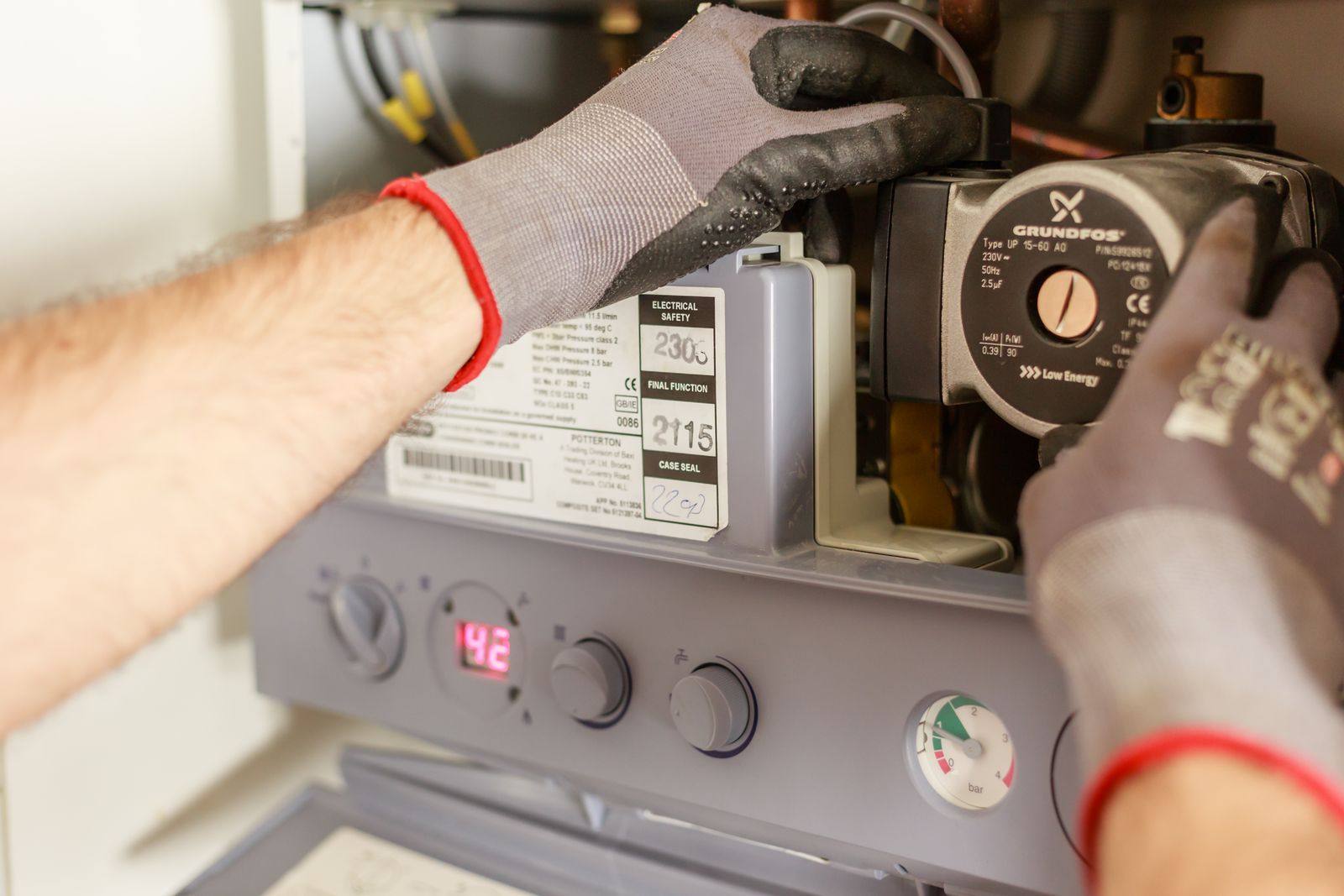
Phoenix water is extremely hard, and hard water is the main reason heaters fail early here. Add desert heat in the garage where most heaters sit, and a heater that is already working hard against sediment is working harder still. Here is what hard water does, and which maintenance actually helps.
Phoenix water is among the hardest in the country
The water in Phoenix is extremely hard — it carries high levels of dissolved calcium and magnesium, among the highest of any large American city's municipal supply. You can see it on faucets and showerheads as white scale, and you can feel it in how soap lathers. What you cannot see is what it does inside a water heater, where it is the main reason heaters fail early in Phoenix, Mesa, Scottsdale, Chandler, Glendale, and Tempe.
Hard water is the reason most Phoenix heaters die early. Here is what it does to tank and tankless units, and which maintenance actually helps.
What hard water does to a tank heater
Sediment build-up
When hard water is heated, minerals drop out of solution and settle at the bottom of the tank as sediment. Over months and years, that sediment forms a layer that insulates the water from the burner or heating element. The heater has to work harder and longer to heat the same water, which costs more to run and shortens the heater's life.
The symptoms of sediment are distinctive: popping or rumbling noises when the burner fires, hot water that runs out sooner than it used to, and a heater that seems to run constantly. Once sediment hardens into a crust, flushing may not remove it fully — which is why flushing should be done annually, before the build-up hardens.
Anode rod wear
The anode rod is a sacrificial metal rod inside the tank that corrodes so the tank does not. In hard water, the rod is consumed faster — sometimes in as little as 3–5 years. Once the rod is gone, the tank itself starts to rust, and the first sign is often a leak. Checking and replacing the anode rod is the cheapest way to extend a tank heater's life, and it is the maintenance item most often skipped.
Efficiency loss
A tank with a thick sediment layer can lose a meaningful share of its efficiency, because heat from the burner must pass through the sediment before it reaches the water. The heater runs longer, uses more gas or electricity, and delivers less hot water — all while the sediment keeps growing.
What hard water does to a tankless heater
Tankless heaters have no tank for sediment to settle in, but they have a heat exchanger with narrow passages where mineral scale builds up. As scale accumulates, the unit heats less efficiently, delivers fluctuating temperatures, and eventually throws error codes or shuts down.
In Phoenix, descaling a tankless unit once a year is the standard recommendation. Units installed without isolation valves are harder and more expensive to descale, so any new installation should include them. A water softener or scale-reduction system can extend the interval between descalings, but it does not remove the need for them.
Desert heat makes it worse
Phoenix heaters usually sit in garages, and a garage in a Phoenix summer is extremely hot. Heat stresses components, dries out seals, and makes ventilation and combustion air more important. A heater that is already working hard against sediment is working harder still in a 120-degree garage. Garage installations deserve a closer look at ventilation and at the condition of seals and connections.
What actually helps
- - Annual flushing of tank heaters, before sediment hardens.
- - Anode-rod checks every few years, and replacement when the rod is worn.
- - Annual descaling of tankless units.
- - Water softening or scale reduction where the household wants it — this protects the heater and the rest of the plumbing, but it is a household decision with its own costs, not a repair.
- - Temperature setting — keeping the thermostat at 120°F reduces scale formation compared with higher settings, and is also safer against scalding.
What does not help is ignoring the problem. A heater that has never been flushed in Phoenix water will fail sooner, and it usually fails as a leak — which is an emergency, not a scheduled replacement.
Frequently Asked Questions
How do I know if my water is hard?
White scale on faucets and showerheads, spots on dishes, and soap that does not lather well are the usual signs. Your water provider publishes water-quality reports that list hardness.
Does a water softener fix the problem?
It reduces new scale formation, which protects the heater and the plumbing. It does not remove sediment that is already in the tank, and it does not replace the need for flushing and anode-rod checks.
How often should I flush my water heater in Phoenix?
Once a year is the usual recommendation in hard-water areas like Phoenix. Homes with a water softener may go longer; homes with very hard water or older heaters should not go longer.
Is hard water dangerous to drink?
Hard water is generally considered safe to drink; the minerals are the same ones found in many foods. The problem with hard water is what it does to plumbing and appliances, not to health. If you have health questions, ask a medical professional, not a plumbing website.